The Project
The District of Clearwater has received grant funding through the Province of British Columbia’s Water Meter Pilot Project to support the installation of water meters on residential, commercial, and industrial services connected to the District’s water system.
Users of the District water system, including residential, commercial, institutional, and industrial, currently use water at a rate well above national and comparable community averages. This use may be related to leakage within the District’s water system or on private property. With support from the Province, the District is moving forward with a universal water metering program to better understand water use, reduce unnecessary demand, and support the long-term sustainability of the water system.
Why Universal Water Metering?
Universal water metering is an important step toward improving the long-term sustainability, resilience, and cost-effective operation of the Clearwater water system.
The data collected will help the District:
- Detect leaks earlier and reduce water loss;
- Understand how water is used throughout the system;
- Support responsible planning and infrastructure investment;
- Promote water conservation and reduce strain on infrastructure;
- Improve service reliability;
- Support drought, wildfire, and extreme weather preparedness; and
- Improve eligibility for future grants, many of which require metering and water use data.
As a small local government water purveyor, the District’s goal is to manage water infrastructure safely, efficiently, and responsibly. Better water use information will help reduce unnecessary demand, lower treatment and pumping requirements, reduce operating costs, and extend the life of existing infrastructure.
Why Clearwater?
The District of Clearwater’s water system has very high per-person water use, even when compared with similar communities.
This figure represents the total amount of water distributed through the system. It does not necessarily mean all of that water is being consumed or put to beneficial use. Universal water metering is expected to help identify and reduce water loss, leakage, and excessive use throughout the system
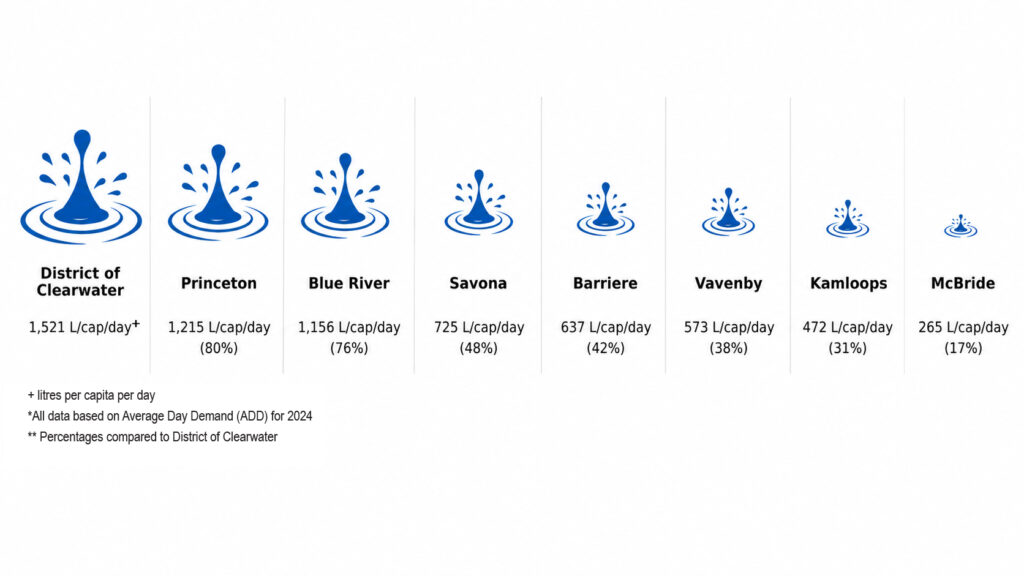
Fig 1: Per Capita Water Distribution Compared to Other Communities
Why Now?
The need for universal water metering has been identified for many years, but the upfront capital cost has been a major barrier. The availability of grant funding has allowed the District to move this important project forward.
How It Works
Each water meter will be equipped with advanced metering technology that allows water use information to be collected more frequently and made available to both the District and property owners.
This technology supports early leak detection, accurate consumption tracking, customer access to water use information, and improved water system management.
The system does not remotely shut off water service. It provides information and system alerts to help identify potential issues sooner.
Project Timeline
- Open House: October 2025
- Education Campaign: June 2026 to July 2026
- Contract Awarded: June 2026
- Installation Begins: July 2026
- Installation Complete: October 2026
- AMI Integration and Launch of User Interface: October 2026
- Grant Ends: March 2027
- Water Usage Analysis: March 2027 to March 2028
What to Expect During Installation
When installation begins, residents and businesses will receive information about how to book an appointment. The installation contractor will contact property owners directly to answer questions, complete screening, and schedule an on-site visit.
Where possible, the contractor will complete the assessment and install the meter during the same visit.
Each installation is expected to take approximately 60 to 90 minutes. Water service will be temporarily shut off during the appointment and restored once the installation is complete.
There is no charge for the meter or standard installation when completed as part of the grant-funded project.
FAQ’s
What does “universal water metering” mean?
Universal water metering means that all properties connected to the District of Clearwater water system will have a water meter installed. This includes residential, commercial, and industrial properties.
Why is this project happening?
This project is happening because Clearwater’s water use remains high despite previous education and leak detection efforts. Metering will help the District and property owners better understand actual water use, identify leaks sooner, reduce preventable waste, and support long-term water system planning.
The project is also happening now because grant funding is available to cover the capital cost of the meter installations.
Who is paying for this project?
The Province of British Columbia has provided grant funding to the District of Clearwater through the Water Meter Pilot Project. This funding is intended to cover the cost of standard meter installations completed during the project.
Will I have to pay for anything?
There is no charge to the property owner for the meter or standard installation when the work is completed as part of the current grant-funded project.
Where additional costs are incurred because of a property owner’s refusal of a standard in-building installation, failure to provide reasonable access, request for a meter pit without justification accepted by the Contract Administrator, or other similar property-owner-driven circumstance, those additional costs will be charged back to the property owner in accordance with the District’s bylaws and fees.
Which properties are included?
All residential, commercial, and industrial properties connected to the District of Clearwater water system are included.
Will I be notified before installation?
Yes. General information about the installation timeline will be shared through the District’s website and mailouts.
The installation contractor will also contact individual property owners directly with information specific to their property, including when and how the installation will take place, what to expect, and how to prepare.
When will installation take place?
Installations are expected to take place between July 2026 and October 2026. Property owners will receive notification from the Contractor when it is time to schedule their appointment.
Do I need to be home for the installation?
In most cases, access to the home or building will be required to confirm the existing plumbing arrangement and install the meter. The contractor will contact property owners in advance to confirm access requirements and schedule the appointment.
How long will installation take?
Most installations are expected to take approximately 60 to 90 minutes. Some properties may require additional review or follow-up if the existing plumbing arrangement is non-standard.
Will my water be shut off during installation?
Yes. Water service will typically need to be temporarily shut off during the meter installation. The contractor will coordinate this with the property owner and restore service once the installation is complete.
Where will the meter be installed?
Where practical, the meter will be installed inside the building near the existing water service entry point. If an indoor installation is not feasible, or access is not provided, the District or its Contract Administrator may consider other options, including a meter pit at the property line. The final installation approach will be at the discretion of the District or its Contract Administrator.
What if my plumbing needs extra work?
The contractor will assess the existing plumbing during the site visit. If additional work is required before a meter can be installed, the District and/or Contract Administrator will review the situation and confirm next steps.
Will the meter affect my water pressure?
A properly installed residential water meter is not expected to noticeably affect normal water pressure. If a property owner notices a concern after installation, they should contact the District.
Who owns the meter?
The meter is part of the District’s water utility infrastructure and is therefore owned by the Distric. Property owners are responsible for providing access and protecting the meter from damage, freezing, or interference.
What type of meter is being installed?
The proposed meters are Neptune MACH 10 ultrasonic meters with cellular endpoints.
Ultrasonic meters have no moving parts, which helps maintain accuracy over time and reduces the risk of mechanical wear. The cellular endpoint allows water use information to be transmitted to the District’s meter reading system without requiring staff to manually read the meter.
Why ultrasonic meters?
Ultrasonic meters provide accurate measurement across a wide range of flow conditions, including low or continuous flows that may indicate small leaks and higher-than-normal flows that may indicate larger leaks, breaks, or abnormal water use. They also have no internal moving parts, which reduces mechanical wear and helps maintain accuracy over time.
Ultrasonic meters also typically result in lower pressure loss than positive displacement or turbine meters.
What is AMI?
AMI stands for Advanced Metering Infrastructure. It is a meter reading system that allows water meter data to be collected remotely and more frequently.
Older manual meters must be read visually. Automated Meter Reading systems can be read from nearby using a receiver. AMI systems automatically transmit meter data to the utility, allowing the District to review water use information more efficiently and respond sooner to unusual conditions.
Why does more frequent data matter?
More frequent data helps identify issues sooner. With manual or quarterly reads, a leak may not be noticed until the next billing cycle. With more frequent meter data, unusual use can be identified much earlier, which may reduce wasted water, property damage, and cost to the user and the utility.
More frequent data also reduces the need for manual meter reading, which can help lower staff time and operating costs over the long term.
What information can the system help identify?
The system can help identify water use and meter conditions such as:
- Continuous use that may indicate a leak;
- Reverse flow, which may indicate water moving from a property back toward the system;
- High flow that may indicate a major leak or break;
- Empty pipe conditions;
- Low battery or maintenance flags;
- Current flow rate;
- Total water used;
- Low temperature conditions that may increase freezing risk; and
- Tamper alerts, such as communication errors, cut or disconnected wiring, or possible interference.
What is Neptune360?
Neptune360 is the District’s meter data system. It allows authorized District staff and designates to review meter information, monitor system conditions, and respond to customer service or operational issues using current data.
What is My360?
My360 is the customer-facing portal. It allows residents to view their own water use information online and set up personal usage alerts.
Residents can use My360 to better understand their water use, identify unusual consumption, and manage their own usage more proactively.
What alerts can I set up in My360?
Residents can set up usage-based alerts in My360, including:
- Daily usage threshold alerts, which send an email if water use exceeds a selected amount; and
- Out-of-town alerts, which can notify the user if water use occurs while they are away.
These customer alerts are separate from utility-side meter flags, such as leak, reverse flow, tamper, or low temperature flags.
What happens if the meter detects a possible leak?
The meter system can identify unusual or continuous water use that may indicate a leak. If a leak is suspected, the District or My360 may help notify the user sooner than a traditional manual read.
The property owner remains responsible for plumbing and water use on private property.
Will this prevent all leaks?
No. Meters and alerts cannot prevent all leaks. However, they can help identify unusual or continuous use earlier, which may reduce the duration and impact of leaks.
What if I am away for the winter or on vacation?
My360 allows users to set out-of-town alerts. This can help notify a user if water use occurs while they are away, which may indicate a leak or other issue.
What if I have seasonal use, irrigation, or unusual water needs?
The meter will record actual use. If a property has seasonal or unusual water needs, the meter data may help the property owner better understand that use and identify opportunities to reduce waste.
Will the District be able to see exactly what I am doing in my house?
No. The meter records water use, not the specific activity that caused the use. The data may show patterns such as continuous use, high use, or usage during certain times, but it does not identify specific fixtures or personal activities.
Is my water use data private?
Water use information will be used by the District and designates for utility operations, customer service, billing, conservation, and system management. Access to account-level data will be limited to authorized users and handled in accordance with applicable privacy requirements.
Can the meter remotely shut off my water?
No. The proposed system provides information and system flags, but it does not remotely shut off water service.
Is this only about revenue?
No. The primary purpose of the project is to reduce preventable water waste, improve system visibility, and manage the water utility more effectively.
Installing and operating an AMI system does have an ongoing cost to the District. However, the intent is that better information will help reduce wasted water, treatment and pumping costs, staff time, and the risk of costly leaks or system issues.
Will my bill change?
There are no immediate changes to how water is billed. The project is focused on installing meters and collecting reliable water use data.
A two-year data collection and analysis period will occur before future fee structures are established. This information will help guide future planning and potential billing changes.
Does this mean volumetric billing is coming?
Volumetric billing is a common outcome of universal metering because it charges users based on actual water use rather than a flat rate. However, the District will need to review the data and consider future rate structure options before making any decisions.
Why not just continue with education and leak detection?
Education and leak detection remain important, but they do not provide the same account-level visibility as metering. Meters allow the District, Designates, and users to identify actual consumption and respond to abnormal use more effectively.
What happens if I refuse the meter?
Water meters are required under the proposed bylaw. If a property owner refuses a standard in-building meter installation or does not provide reasonable access a meter pit will be installed at property line. Additional installation costs above standard installation will be the responsibility of and billed to the property owner in accordance with the District’s bylaws and fees.
What happens if I ignore installation requests?
Water meters are required under the proposed bylaw. Ignoring installation requests will be treated as refusal and will result in the installation of meter pit at property line. Additional installation costs above standard installation will be the responsibility of and billed to the property owner in accordance with the District’s bylaws and fees.